Introduction
Patient education plays a critical role in modern healthcare. Access to reliable information allows individuals to better understand their health, make informed decisions, and participate more actively in their overall well-being. As healthcare continues to evolve, education remains one of the most valuable tools available to both patients and healthcare professionals.
When individuals have a clear understanding of health-related topics, they are often better equipped to evaluate options, develop healthy habits, and take a proactive approach to wellness. Patient education helps bridge the gap between healthcare recommendations and everyday decision-making, creating opportunities for improved long-term outcomes.
Empowering Informed Decision-Making
Healthcare decisions can sometimes feel overwhelming, particularly when individuals are faced with unfamiliar terminology or complex information. Education helps simplify these topics and provides individuals with the knowledge necessary to make decisions that align with their personal goals and needs.
Understanding available options allows patients to engage in meaningful discussions with healthcare providers and become active participants in their care. This collaborative approach supports better communication and encourages individuals to take greater ownership of their health and wellness journey.
As access to information continues to grow, the ability to identify credible and reliable resources becomes increasingly important.
Supporting Preventive Health Efforts
Preventive health relies heavily on education. Individuals who understand the benefits of healthy lifestyle choices are often more likely to adopt behaviors that support long-term well-being.
Topics such as nutrition, physical activity, sleep habits, stress management, and routine healthcare screenings all contribute to preventive health strategies. Education provides the foundation for understanding how these factors influence overall wellness and why they remain important throughout life.
By promoting awareness and encouraging informed choices, patient education can support healthier communities and improved quality of life.
Strengthening Patient-Provider Relationships
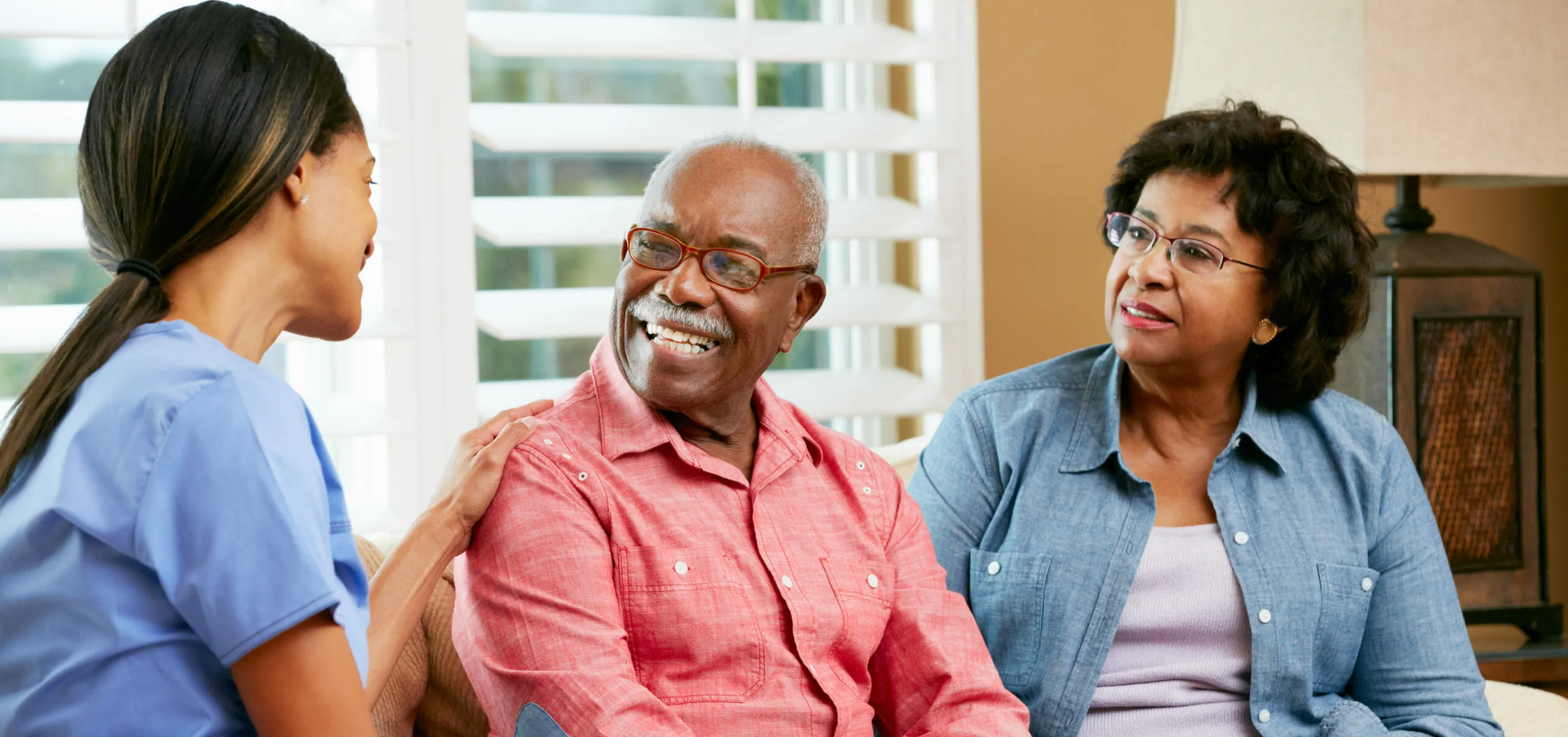
Effective communication is an important component of quality healthcare. Education helps create stronger relationships between patients and healthcare providers by encouraging open dialogue and shared understanding.
When individuals feel informed and comfortable asking questions, healthcare conversations often become more productive and collaborative. Patients who understand their healthcare goals are generally better prepared to participate in discussions regarding treatment options, lifestyle recommendations, and wellness strategies.
This partnership-oriented approach contributes to a more positive healthcare experience and supports long-term engagement in healthy behaviors.
The Role of Educational Resources
Educational resources are available in many forms, including articles, community programs, wellness initiatives, and healthcare guidance provided by qualified professionals. These resources help individuals stay informed about emerging topics while reinforcing the importance of evidence-based information.
Access to trustworthy educational materials can help individuals navigate health-related decisions with greater confidence. As a result, education continues to serve as an essential component of preventive health and overall wellness.
Healthcare organizations, educators, and wellness advocates all play important roles in helping individuals access information that supports healthier lifestyles.
Conclusion
Patient education remains one of the most powerful tools for promoting long-term health and well-being. By empowering informed decision-making, supporting preventive health efforts, and strengthening communication between patients and healthcare providers, education helps individuals take a more active role in their wellness journey. As healthcare continues to evolve, access to reliable information will remain an essential part of building healthier individuals, families, and communities.